
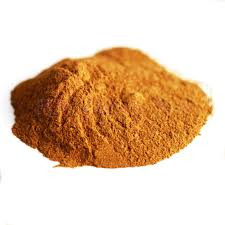
Cinnamon Powder
Also Known As – Cinnamomum verum
Origin - Big Island of Hawaii - Wild Crafted
Only one of the Cinnamomum specimens is known as true cinnamon, but it is known by several names; some old, some new. The older names include Ceylon cinnamon or Cinnamomum zeylanicum. The current botanical name for this genus and species is Cinnamomum verum.
A cinnamon tree was first planted in the Hawaiian Islands by William Hillebrand sometime between 1850 and 1870 on his property in Lower Nuuanu Valley on Oahu, which is now part of Foster Botanical Garden.
Cinnamon “best variety” trees arrived here from Jamaica to serve the landscape trade around 1885 and were widely planted.
The true cinnamon tree can grow to more than 30 feet in ideal conditions with a round spreading crown. The leaves are ovate with a pointed tip and are distinguished by a center vein and two others that run parallel. The flowers are very small with cream colored petals and yellow stamens. Once pollinated, they produce a small green fruit that turns dark purple, nearly black as it ripens.
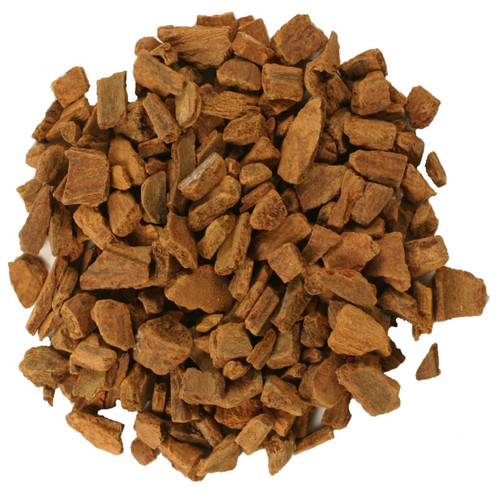
The shoots are usually harvested by cutting them into 4- to 36-inch-long pieces and scraping the external bark off. The cinnamon flavor is strongest in the inner bark or cambium layer of the shoot. It is removed by cutting it with a sharp tool into strips or pounding it to loosen it then removing it into chips and strips. The bark is then dried at a low temperature for several days away from sunlight. The resulting cinnamon sticks are then sold as quills or milled into a fine powder.
Disclaimer - The information presented herein by Mountain Maus’ Remedies is intended for educational purposes only. These statements have not been evaluated by the FDA and are not intended to diagnose, cure, treat or prevent disease. Individual results may vary, and before using any supplements, it is always advisable to consult with your own health care provider.